

Generator Sizing Planner
Tick the things you need to run in an outage and see the running watts, the starting surge and a generator size.
Typical running and starting watts for each item. Motors draw a surge when they start, and a generator has to cover everything that is running plus the biggest single surge. We add twenty percent of headroom and round up to a common generator size. Nameplates on your own equipment give the real numbers.
Three quick steps
- 1Tick your loadsFridge, pumps, heat and more.
- 2Read the wattsRunning and starting.
- 3See the sizeA common generator size.
About the generator sizing planner
What is a starting surge?
Motors draw extra current for a moment when they start, often two to three times their running watts.
Why add twenty percent?
Headroom keeps the generator from running at its limit and leaves room for loads you forgot.
Does a bigger generator cost more to run?
A larger one burns more fuel at full load but runs at a lighter load when you need less, and fuel use scales with the load.
Services that go with this tool
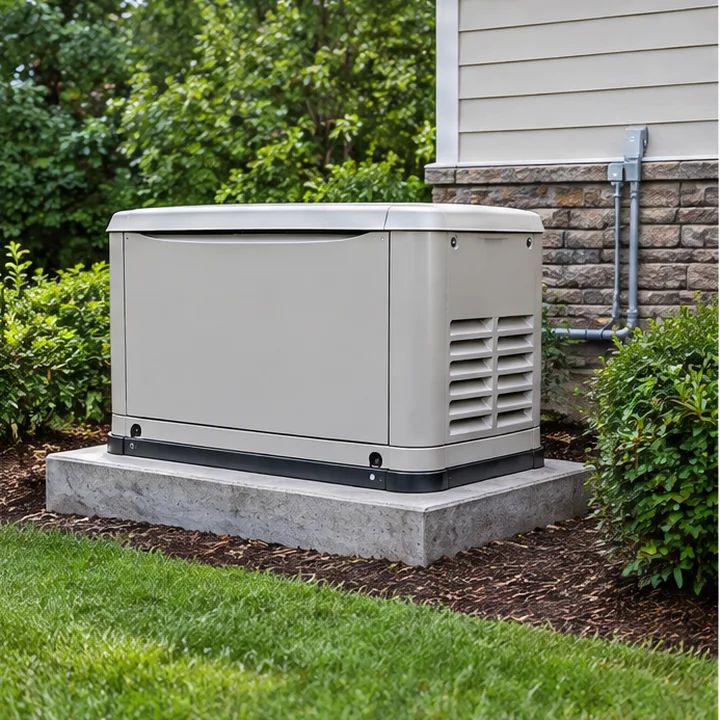
Standby Generator InstallationA whole-house generator on a pad, wired to your panel with an automatic transfer switch and fueled by natural gas or propane.See the service Power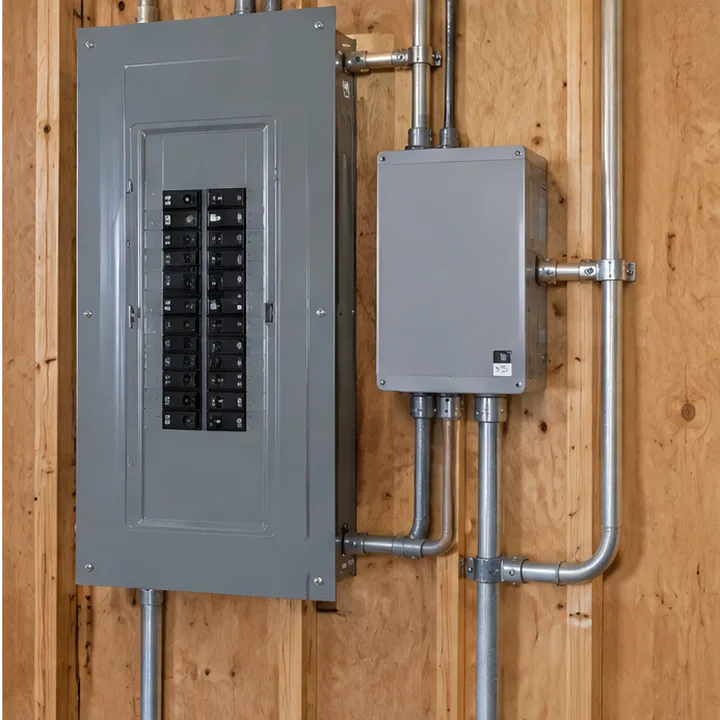 Transfer Switch and Generator InletA safe way to run your house from a portable generator: a transfer switch and an outdoor inlet, with no extension cords.See the service Power
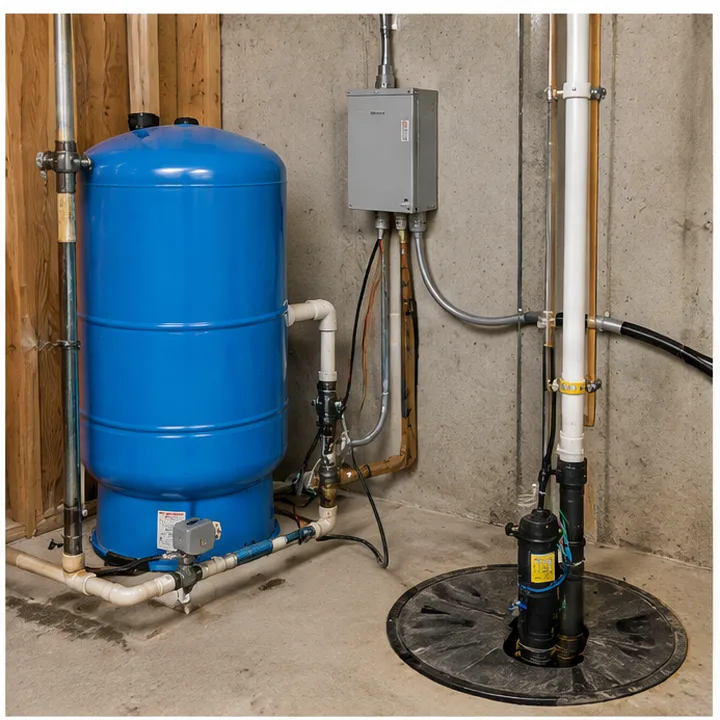 Well and Sump Pump WiringDedicated circuits, disconnects and backup power for well pumps and sump pumps that must work when it rains.See the service
Ready to get the power right?
Call or text Electrical Illusions, or send the form, and we will set up a visit. Tell us about the house or building and what you need done.